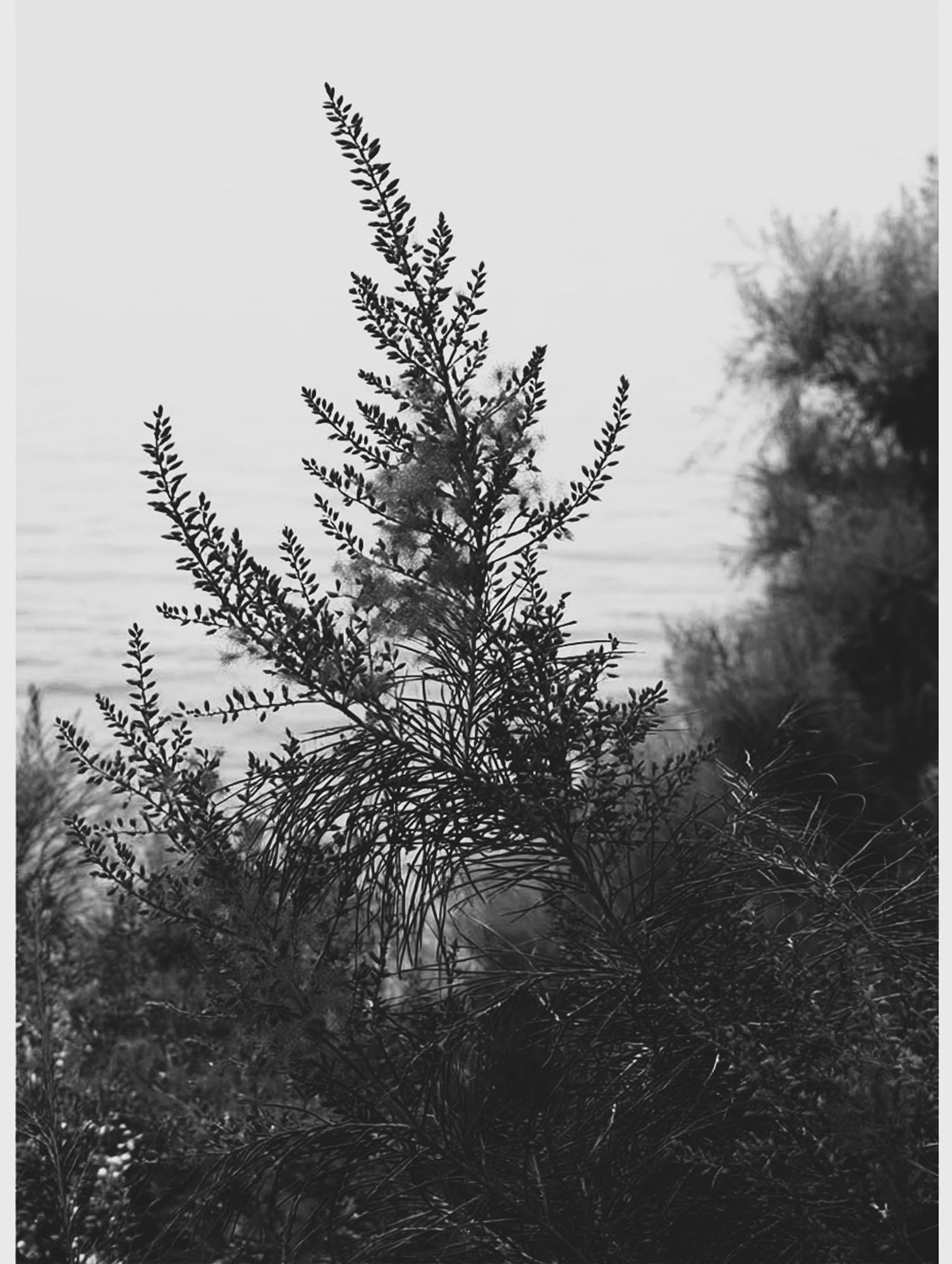
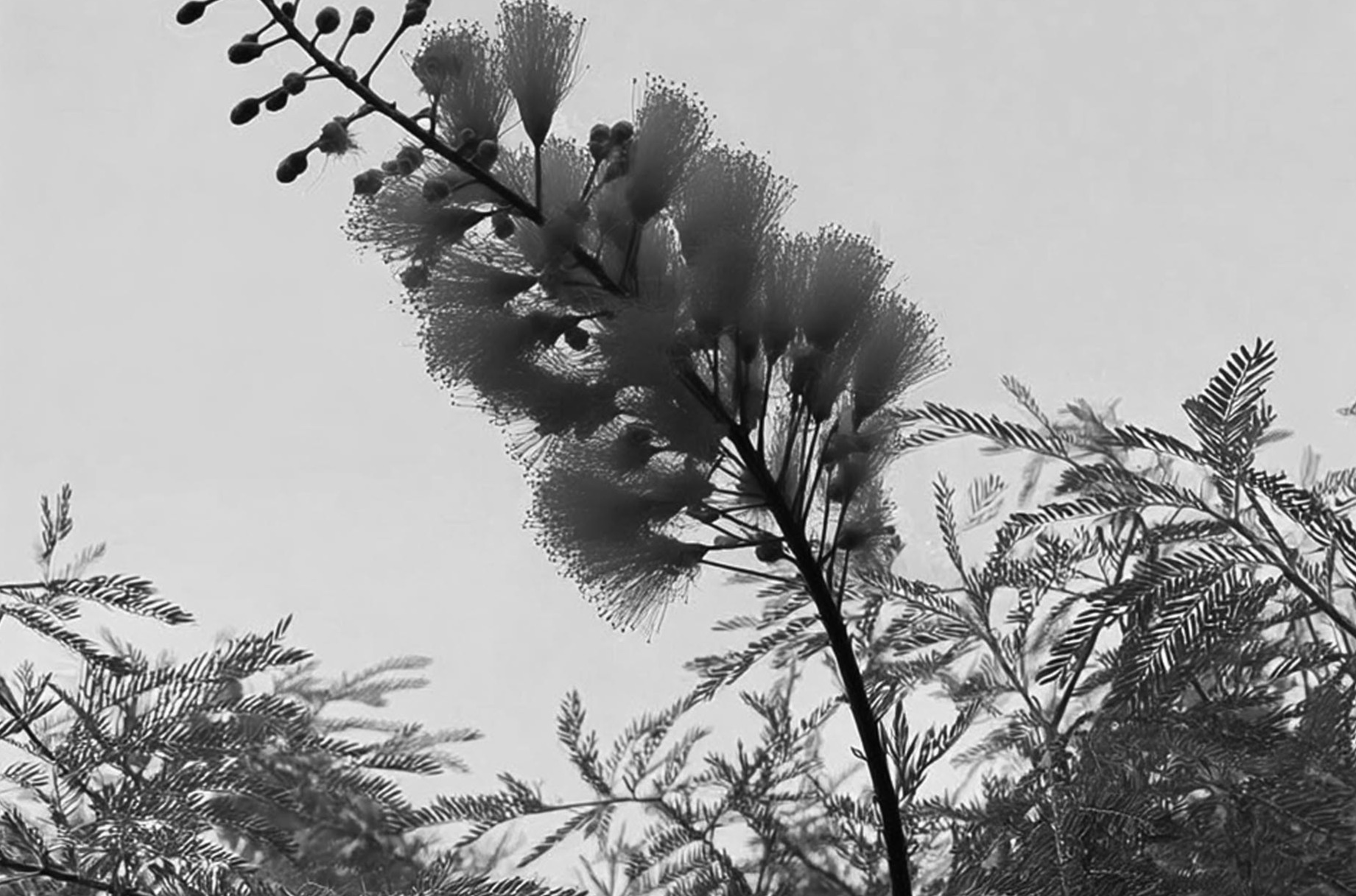
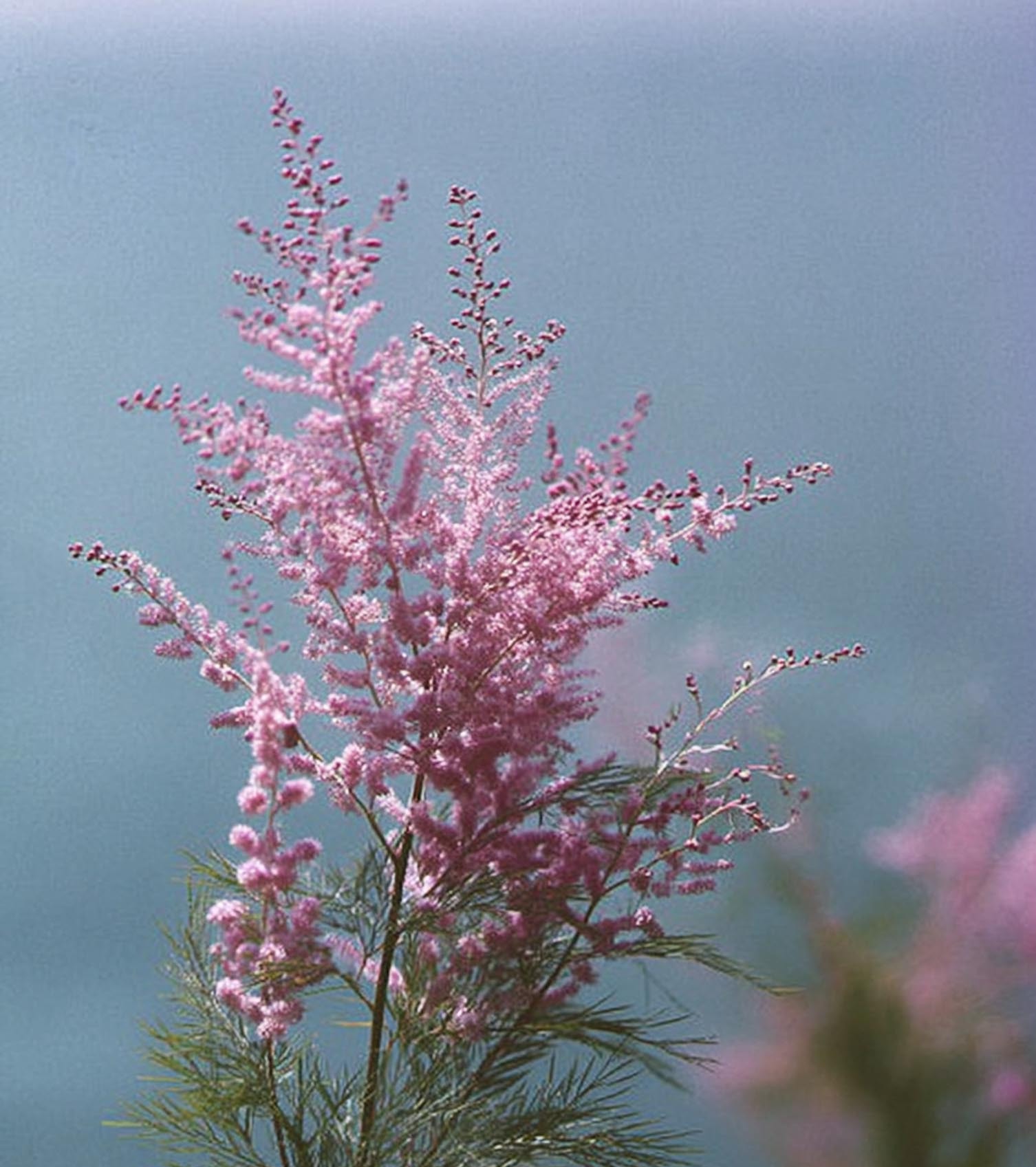
Along the Costa Brava, the tamarix marks the delicate threshold between shelter and exposure. Thriving where conditions are harsh, it responds to the landscape not with resistance, but with quiet adaptability.
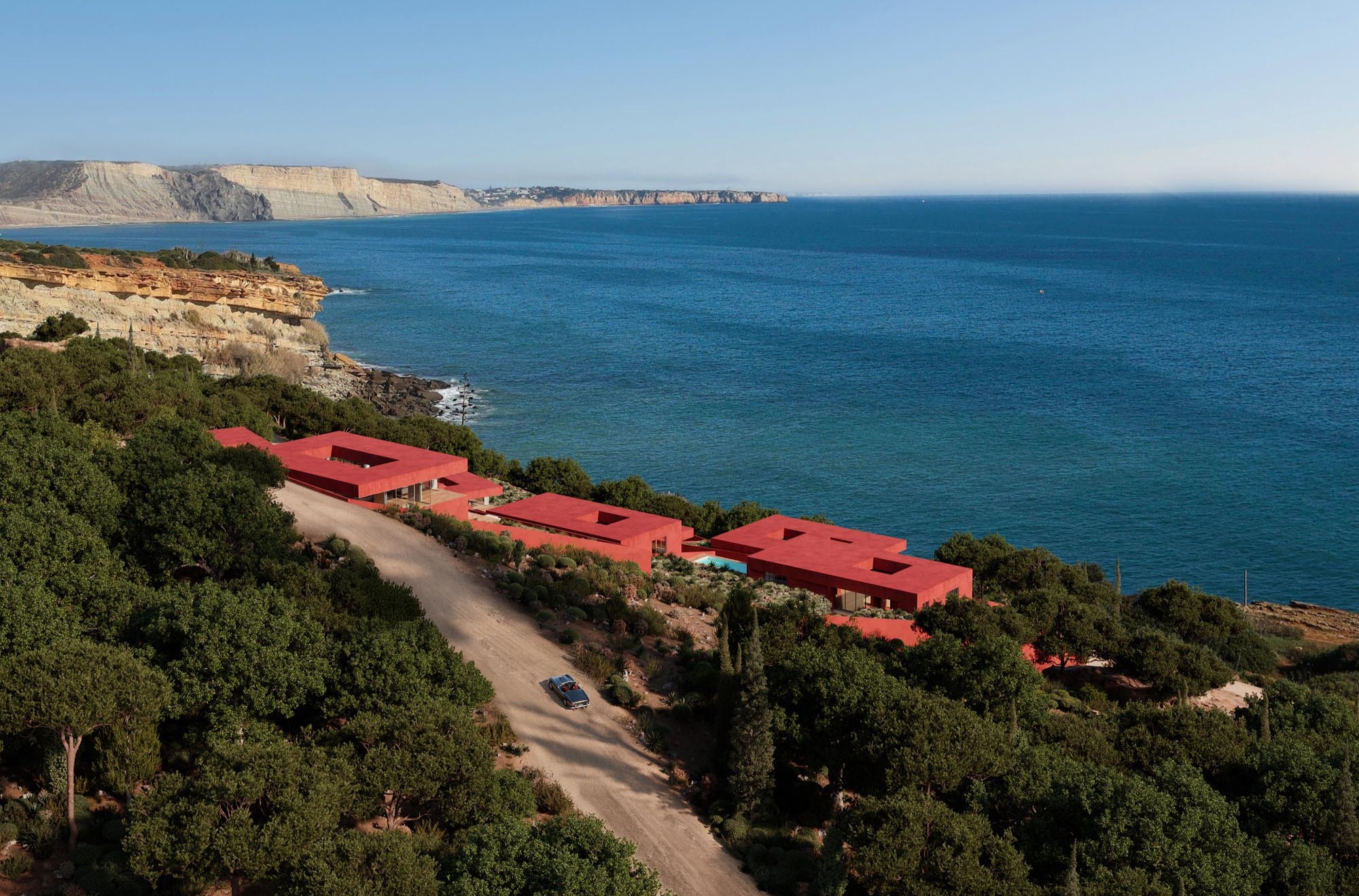
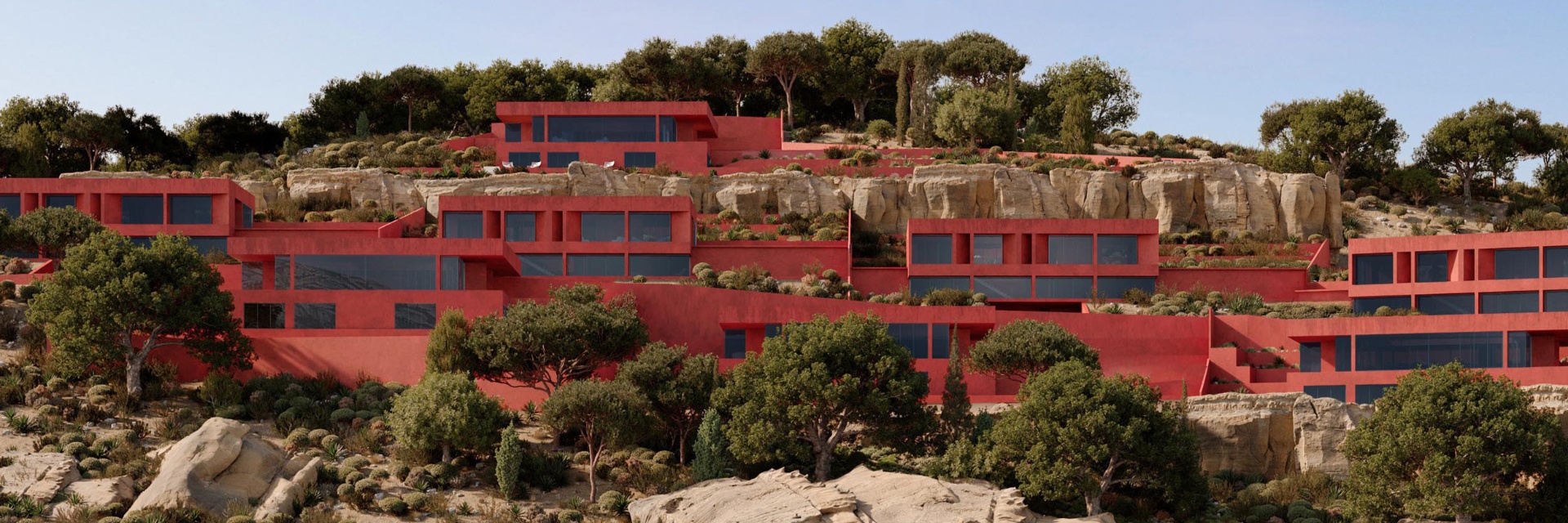
In Tamariu, whose name echoes this coastal plant, the project follows the same logic, embracing lightness and resilience, and drawing its palette from the soft pink-red hues of the tamarix in bloom.
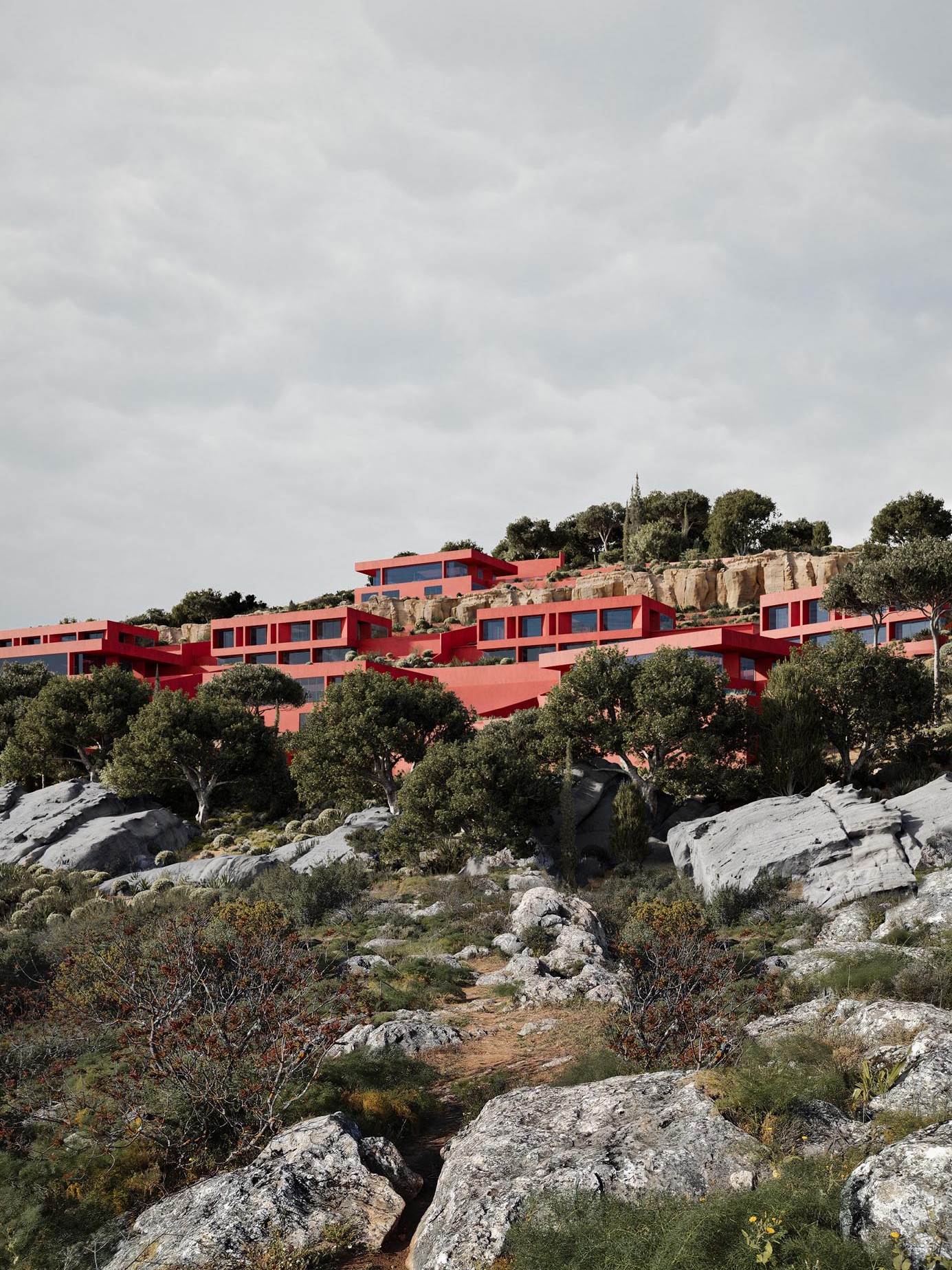
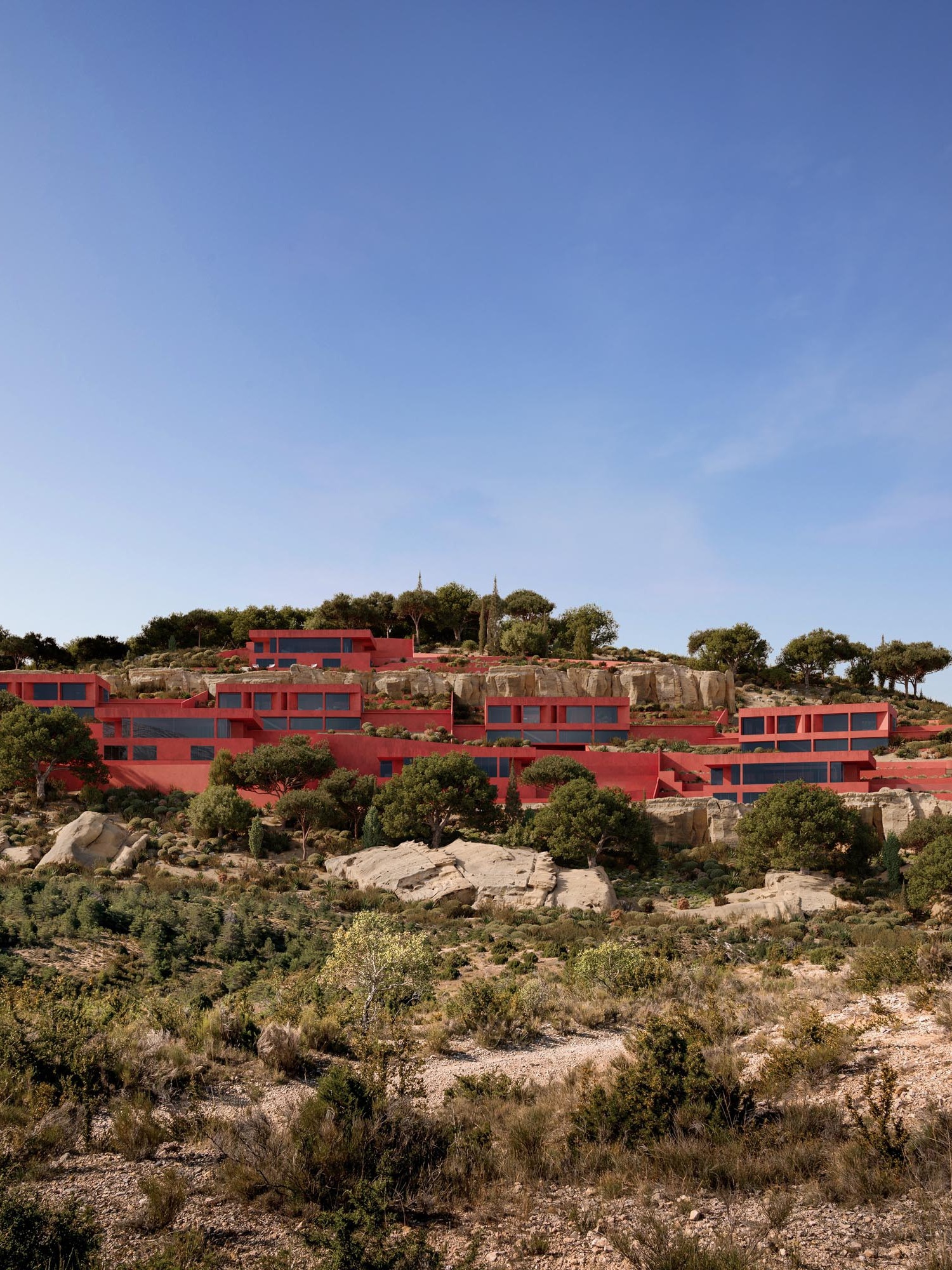
“Contrasts and relationships of tones are the secret of drawing and painting.” — Paul Cézanne
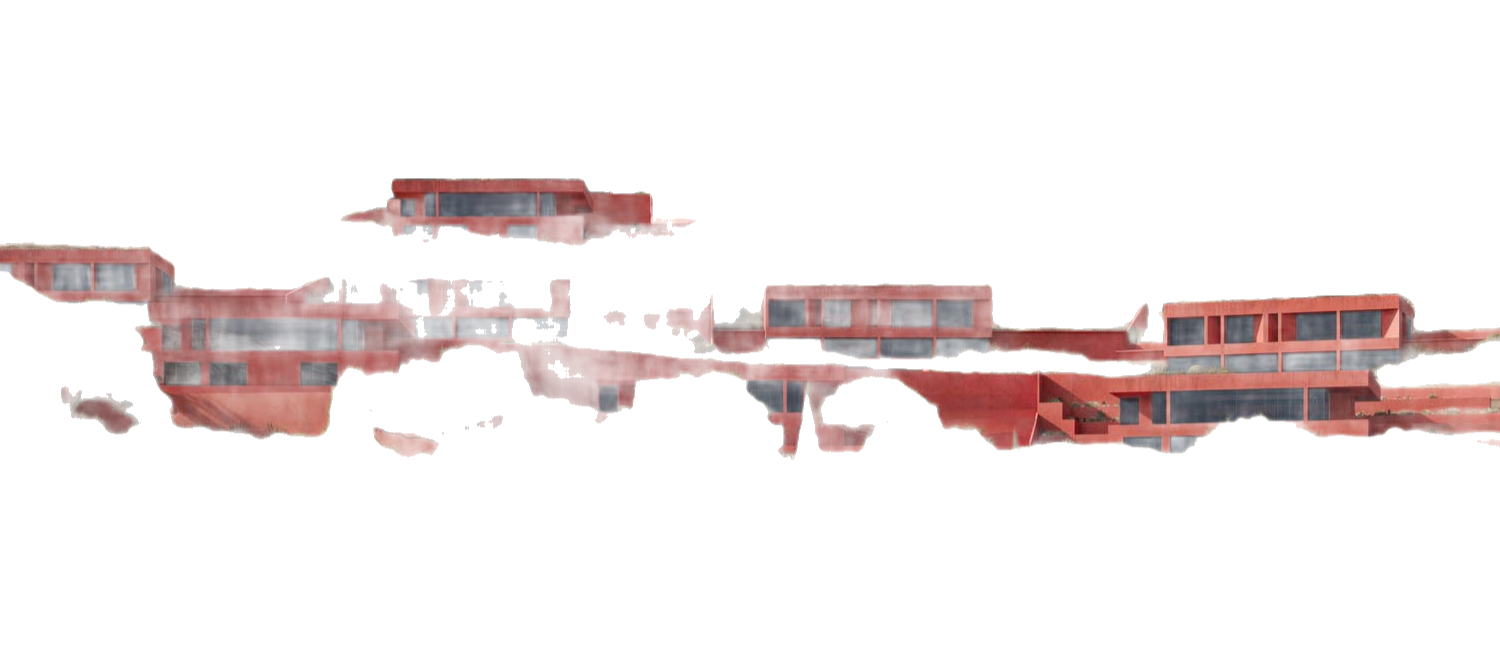
The project is conceived as a shifting point of view, alternating between contrast and continuity. Echoing the tamarix, it emerges in bloom and then blends back into its surroundings.
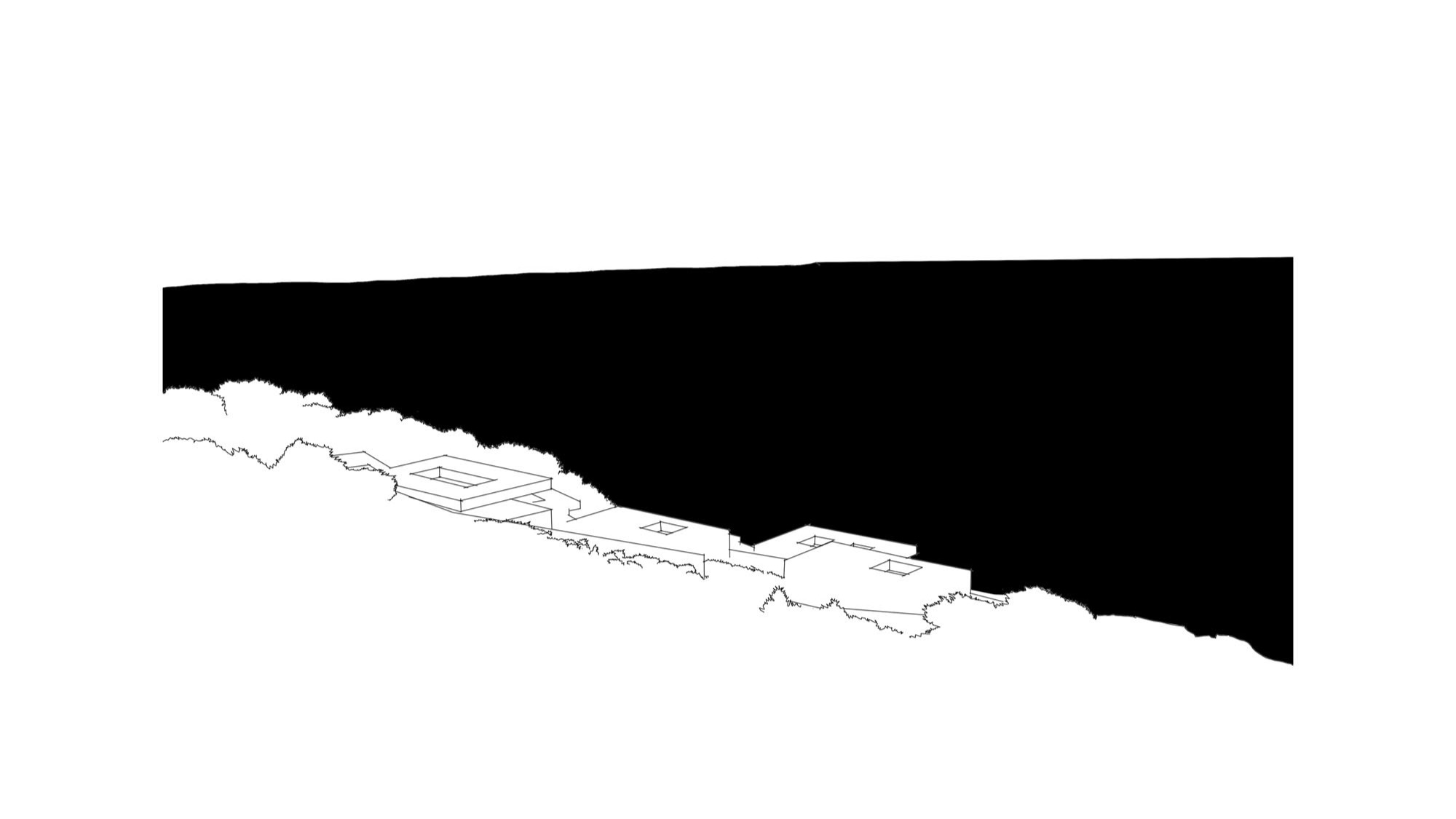
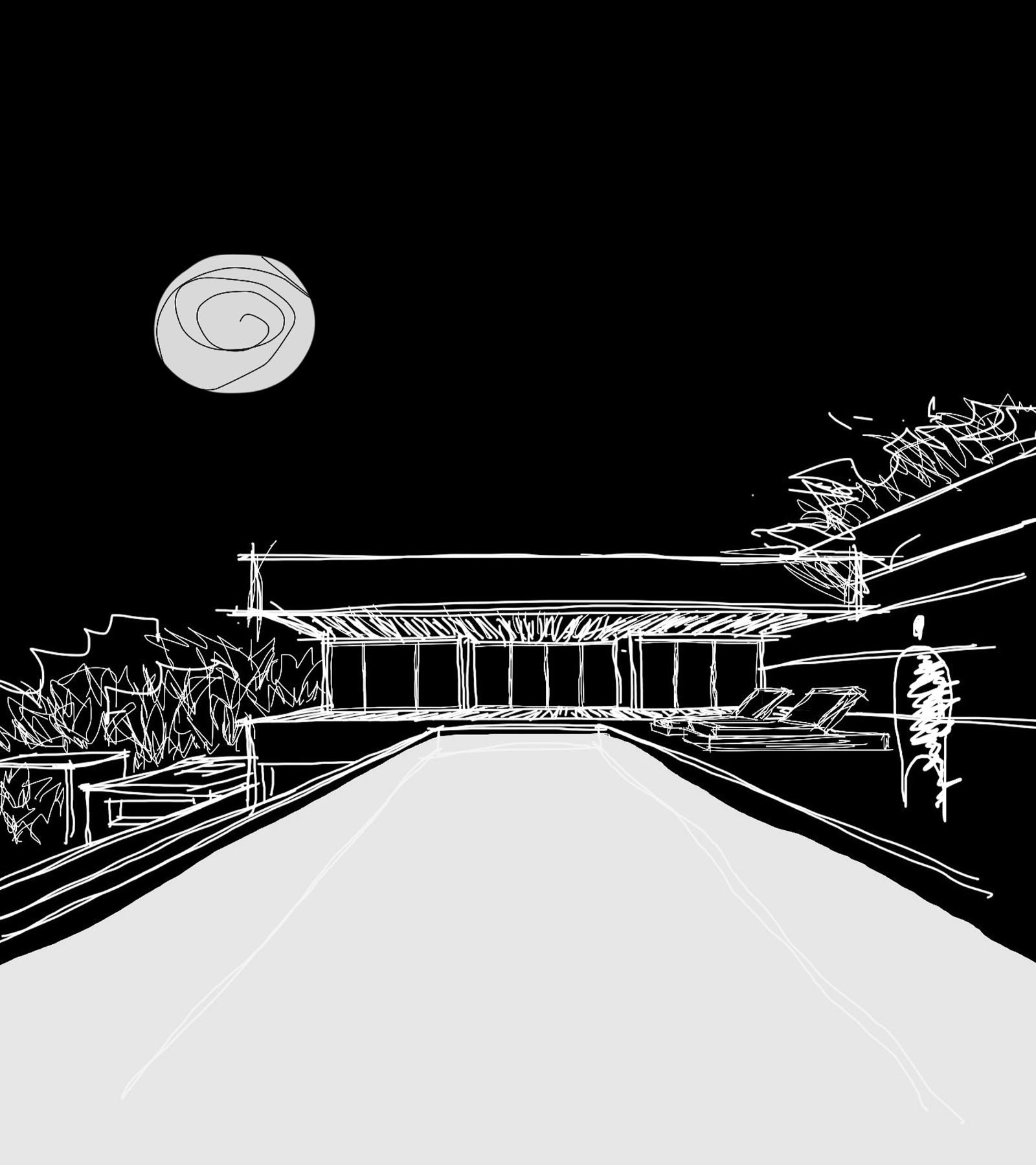
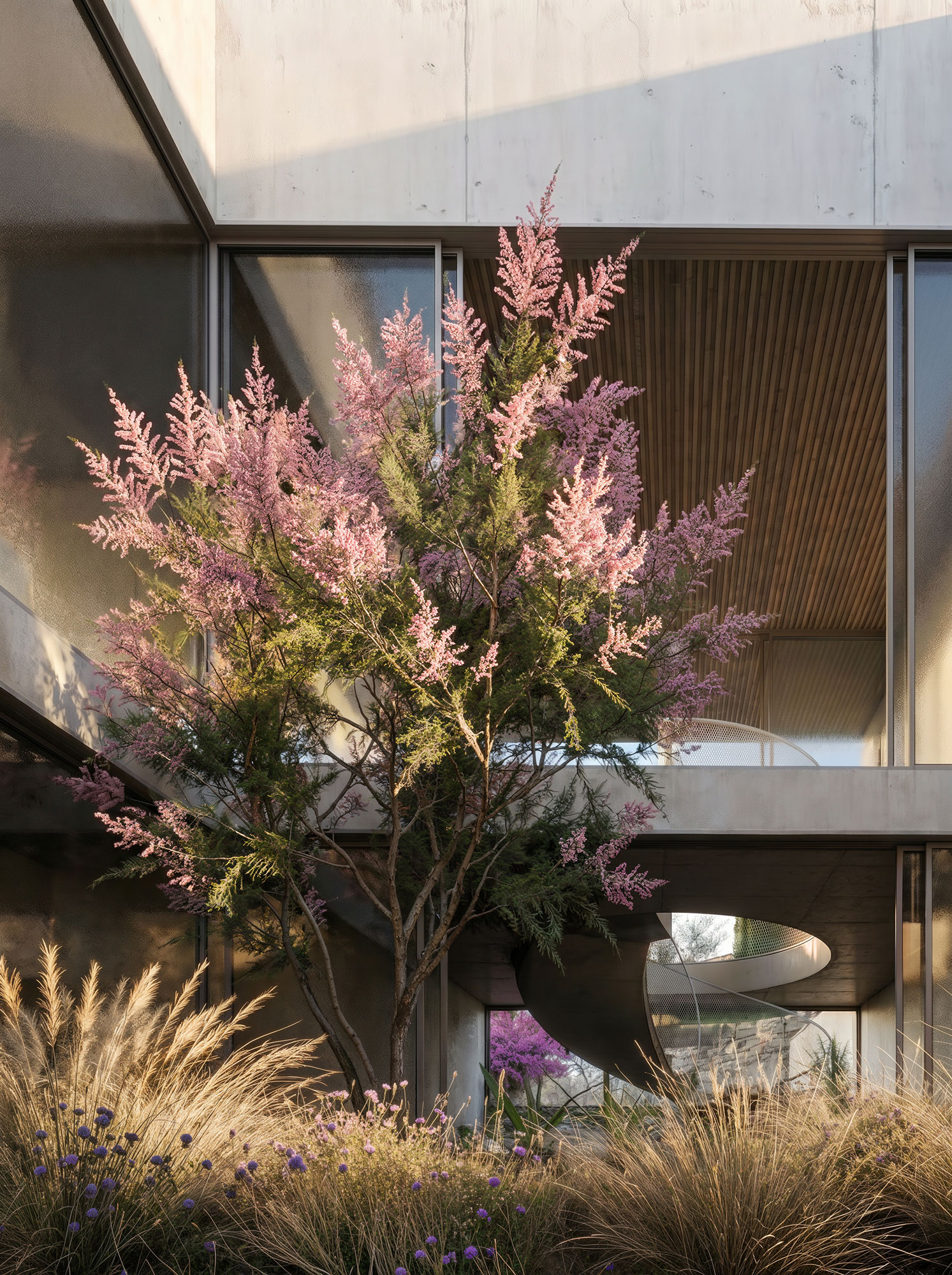
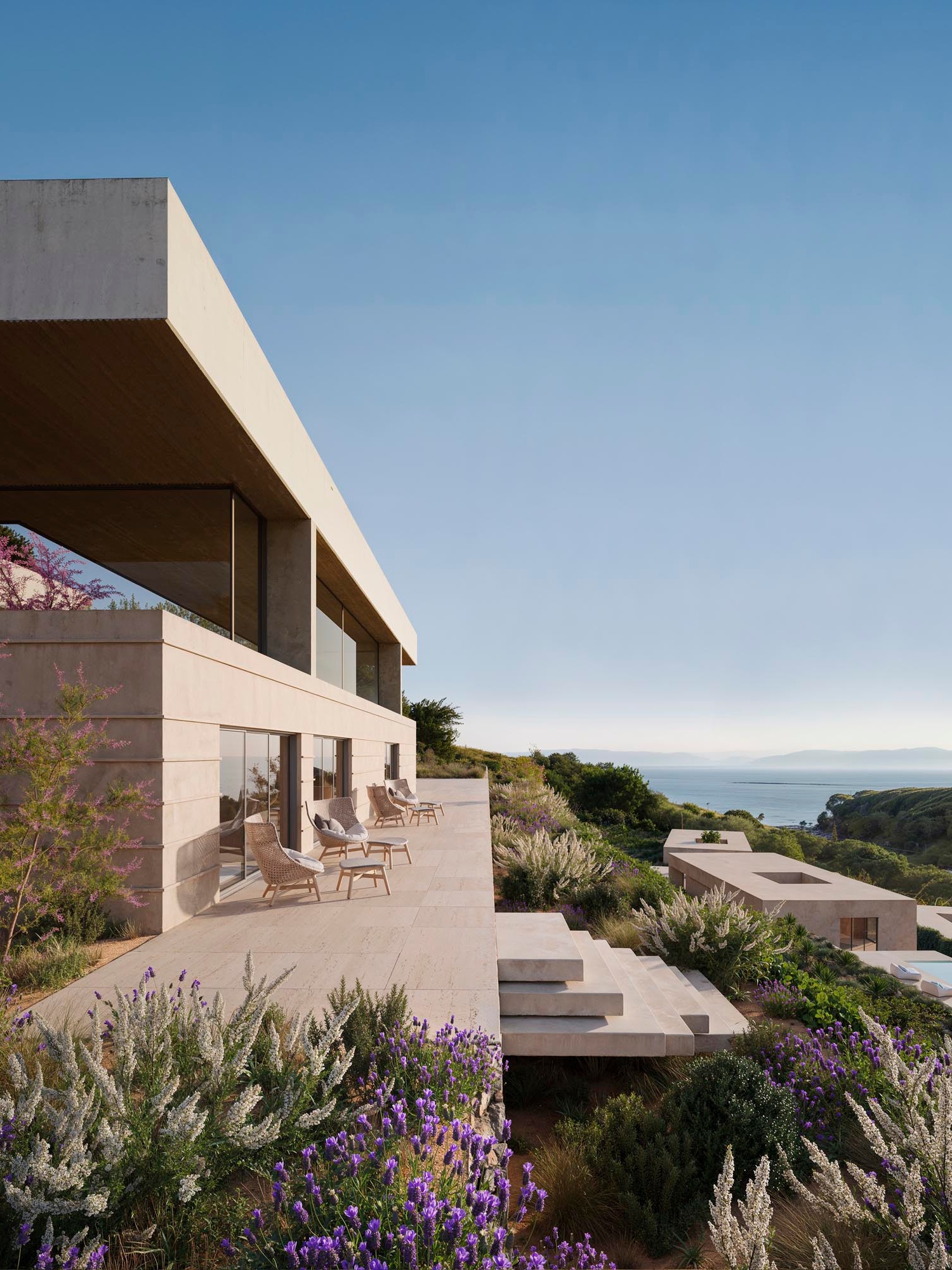
This proposal is guided by restraint. Aligned with stone and coastal light, the architecture allows the tamarix in bloom to remain the focal point, becoming a subtle and unobtrusive presence within the landscape.
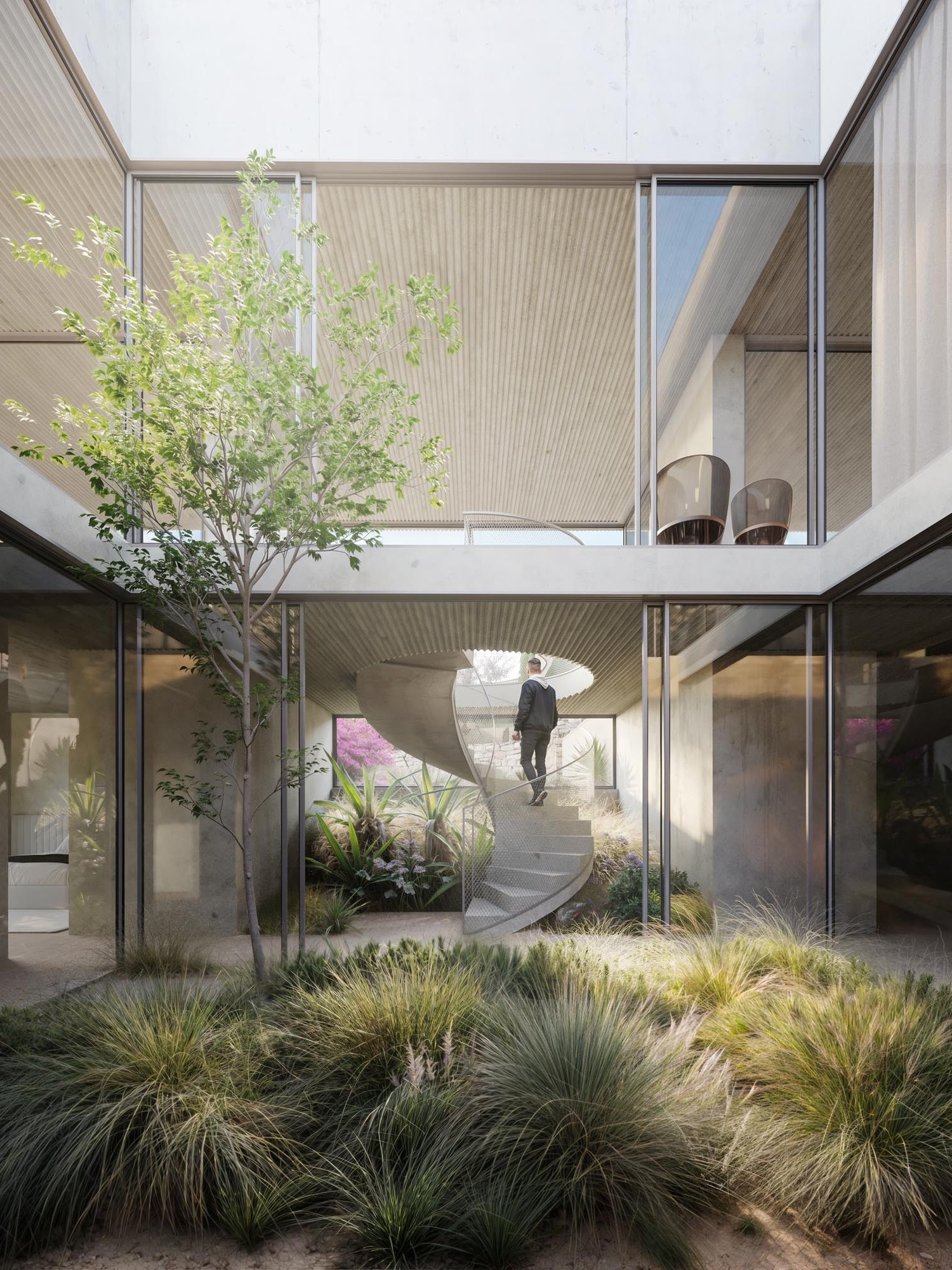
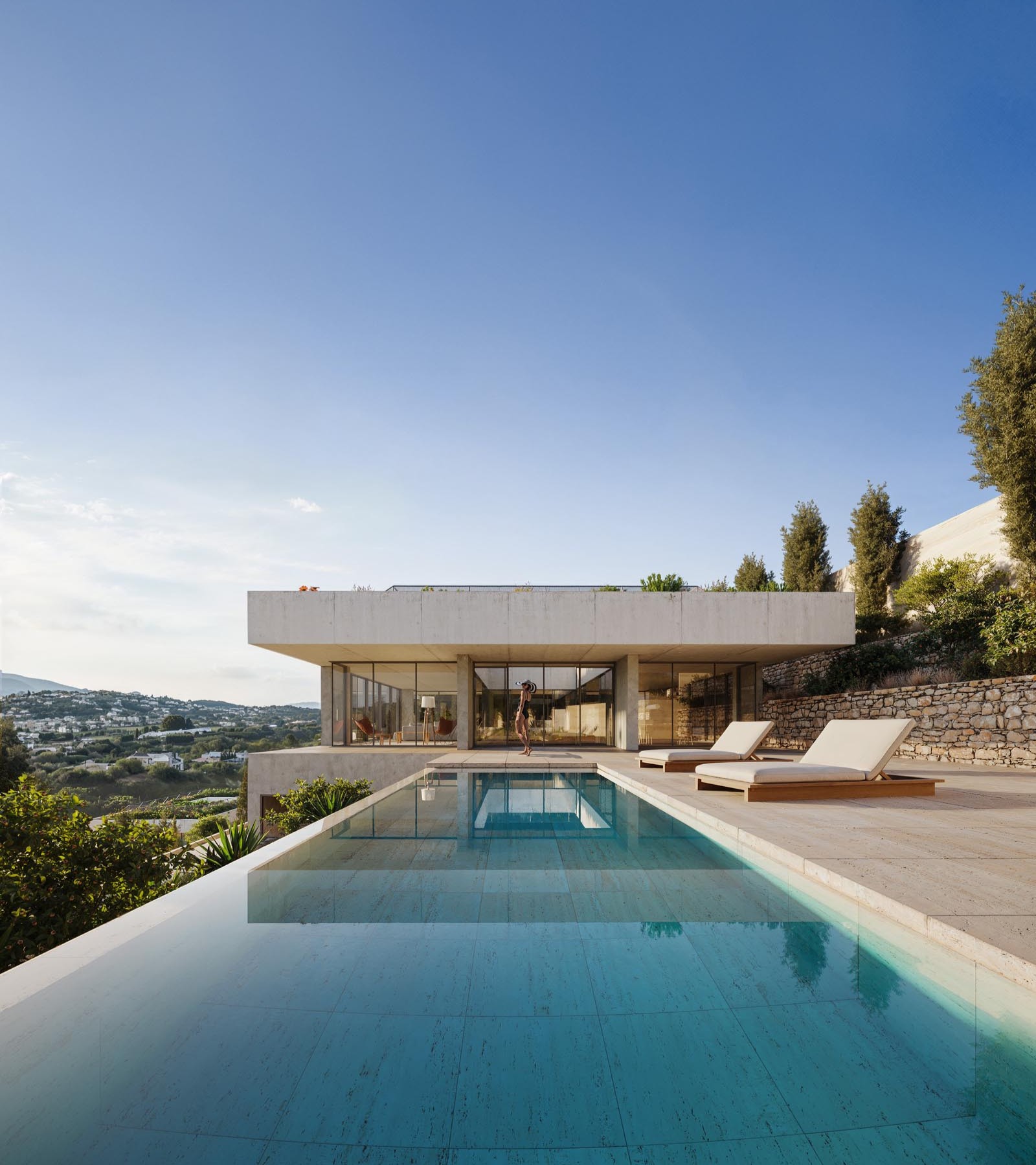
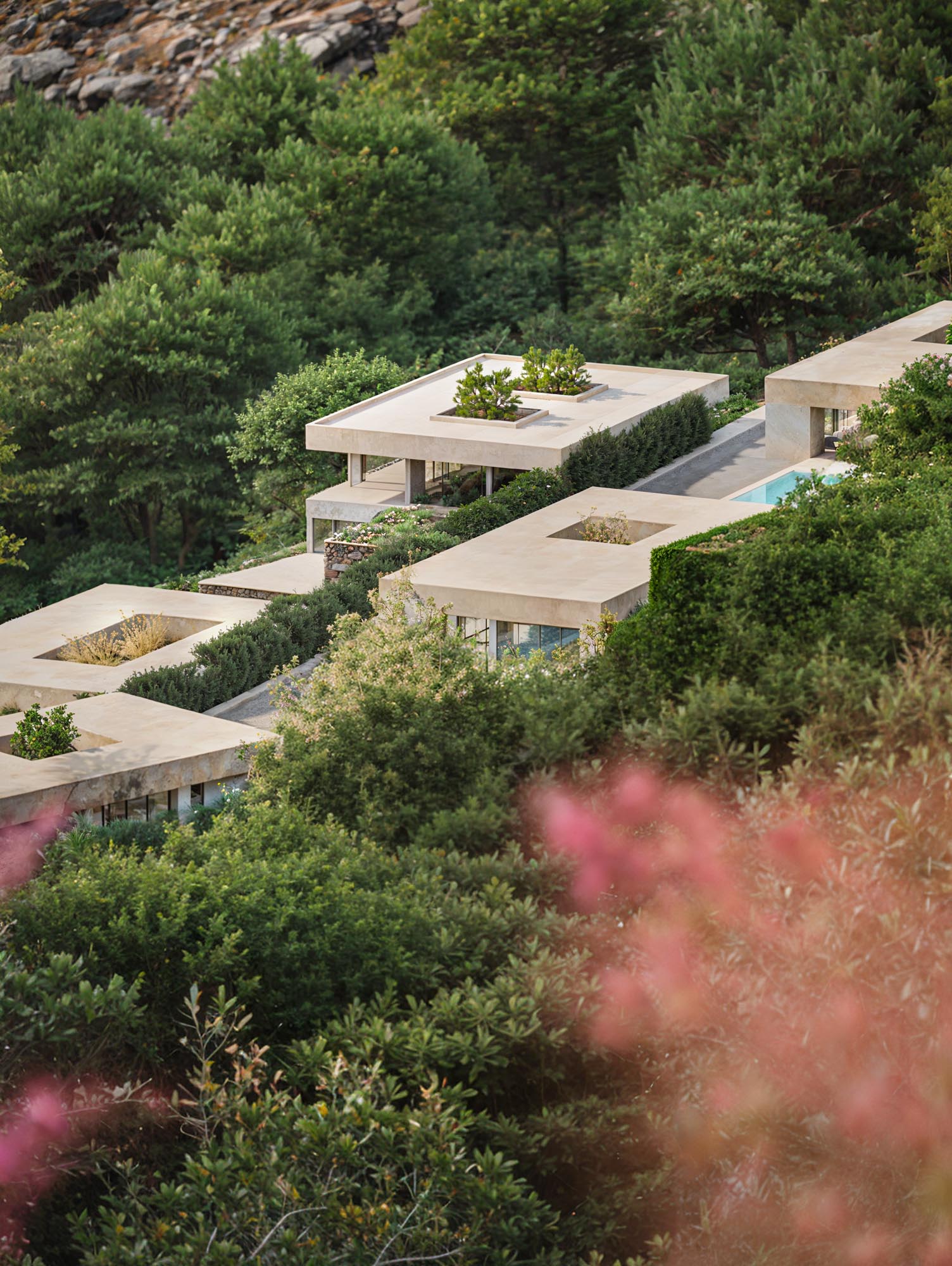
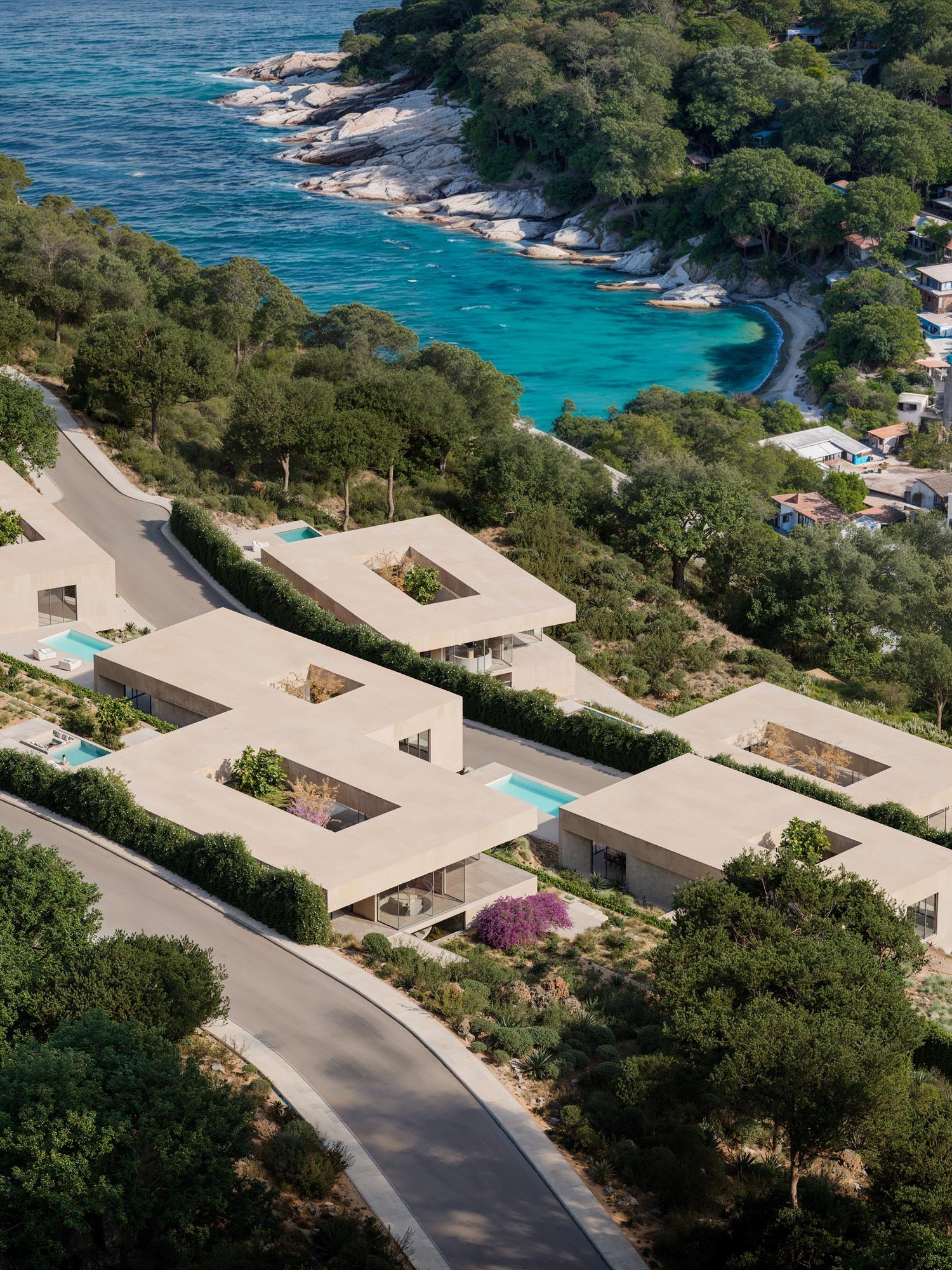
The camera views are conceived as an extension of this idea. Each perspective is carefully chosen to reinforce a sense of harmony and coexistence, framing the architecture not as an object in isolation, but as part of a continuous landscape—where building, vegetation, and light exist in balance.